{1}
Cell Response Discovery
Understand how cells respond to genetic or chemical perturbations across conditions, models, and datasets, revealing patterns missed by single-study analysis.
Explore, Compare & Interpret Perturbation Data across experiments pathways, diseases, without pipelines, infrastructure, complexity, or specialized expertise.
Chemical and genetic perturbations trigger measurable cellular responses that reveal biological pathways, mechanisms, and therapeutic opportunities. protoXell helps researchers explore these responses across experiments at scale.
Understand how cells respond to genetic or chemical perturbations across conditions, models, and datasets, revealing patterns missed by single-study analysis.
Connect perturbation signatures to biological pathways and molecular mechanisms, moving from observation to understanding.
Uncovering unexpected biological connections to identify new therapeutic opportunities beyond hypothesis-driven approaches.
Identify existing compounds with signatures aligned to new disease indications, surfacing hidden opportunities in known molecules.
Advances in single-cell perturbation sequencing have created unprecedented visibility into cellular responses. Yet translating these signals into biological insight remains slow, fragmented, and resource-intensive. As a result, answering even simple biological questions can take weeks or months.
Exploring perturbation data thoroughly can revolutionize your understanding of biology and advance therapy development.
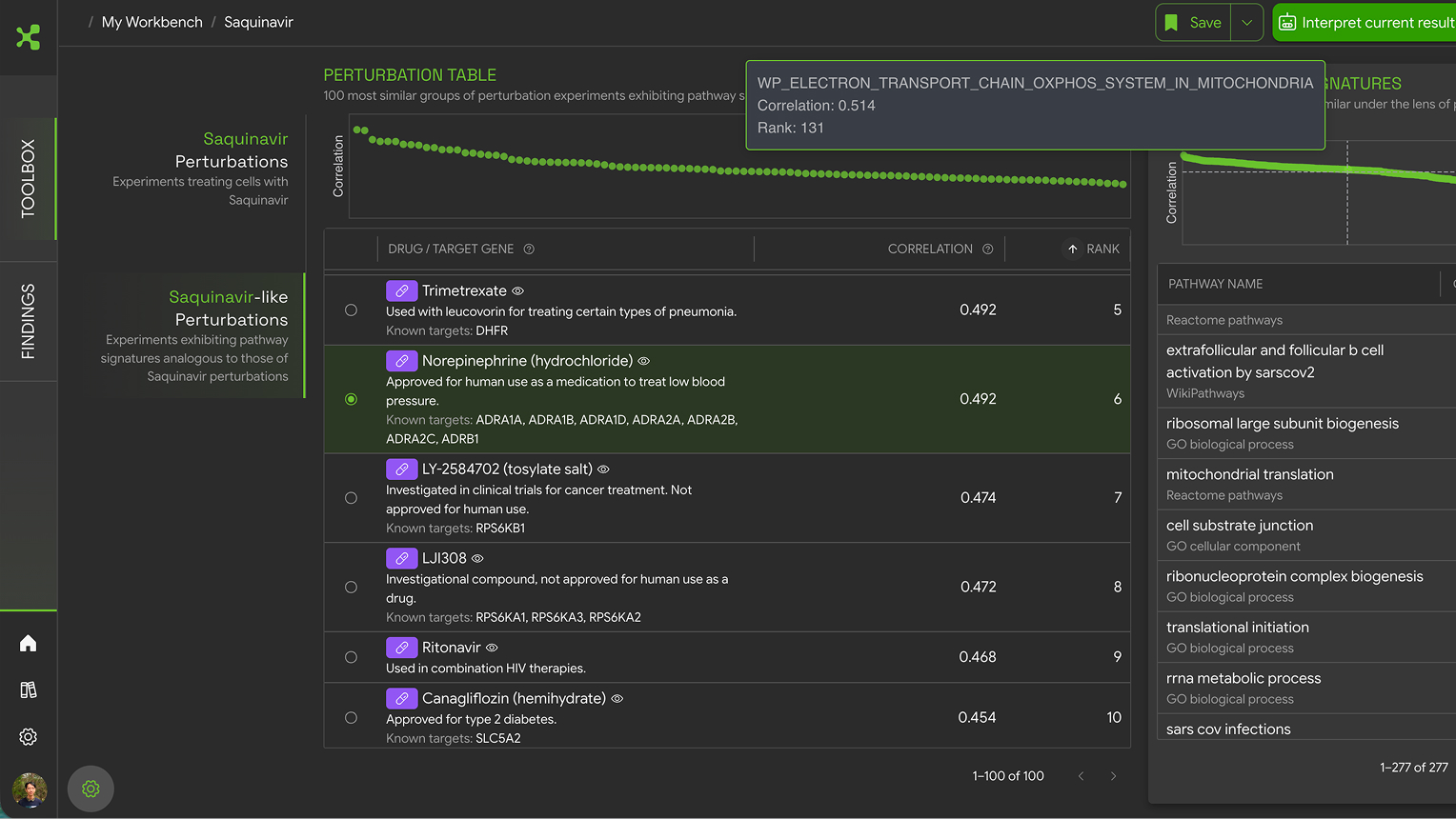
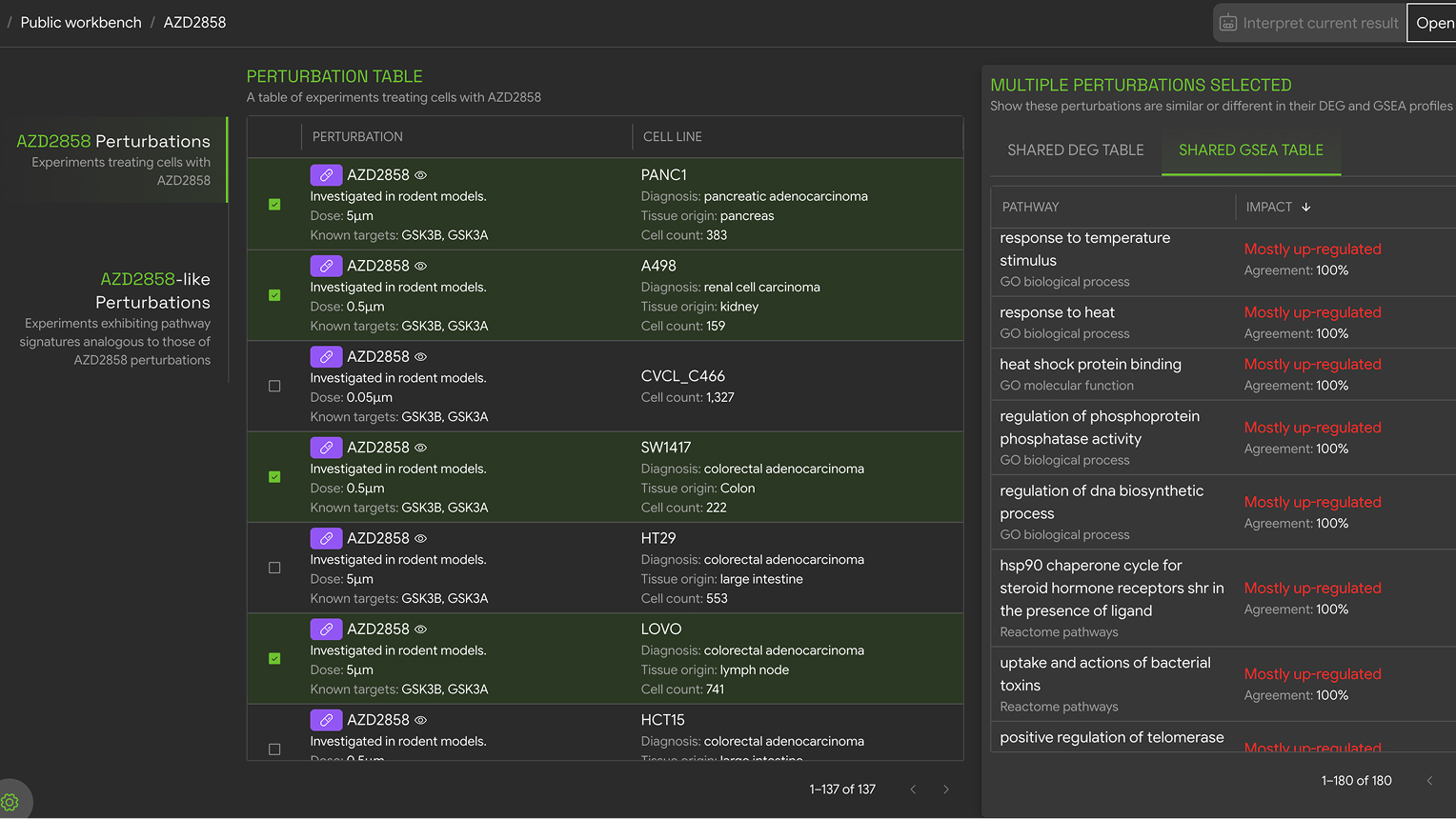
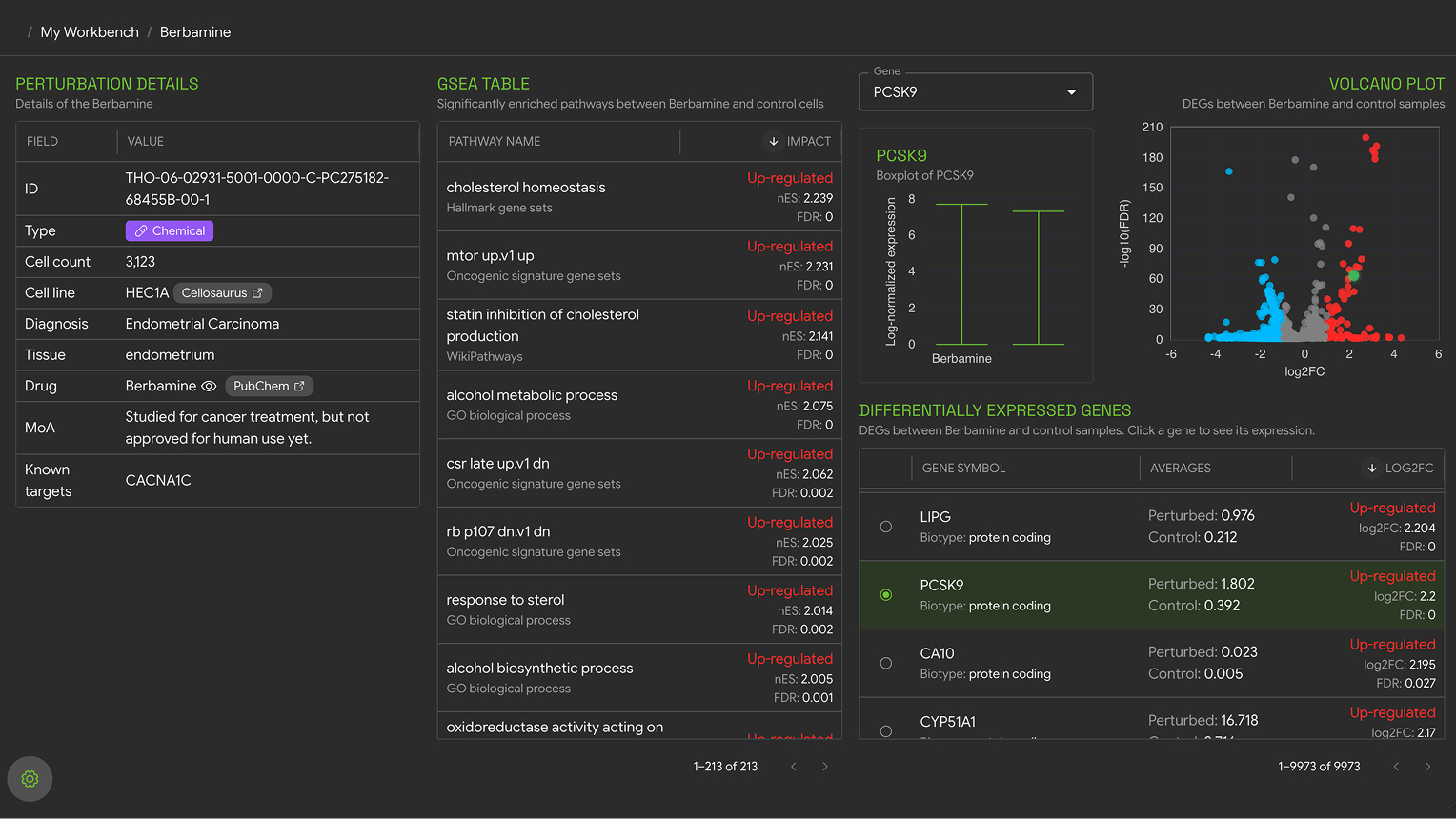
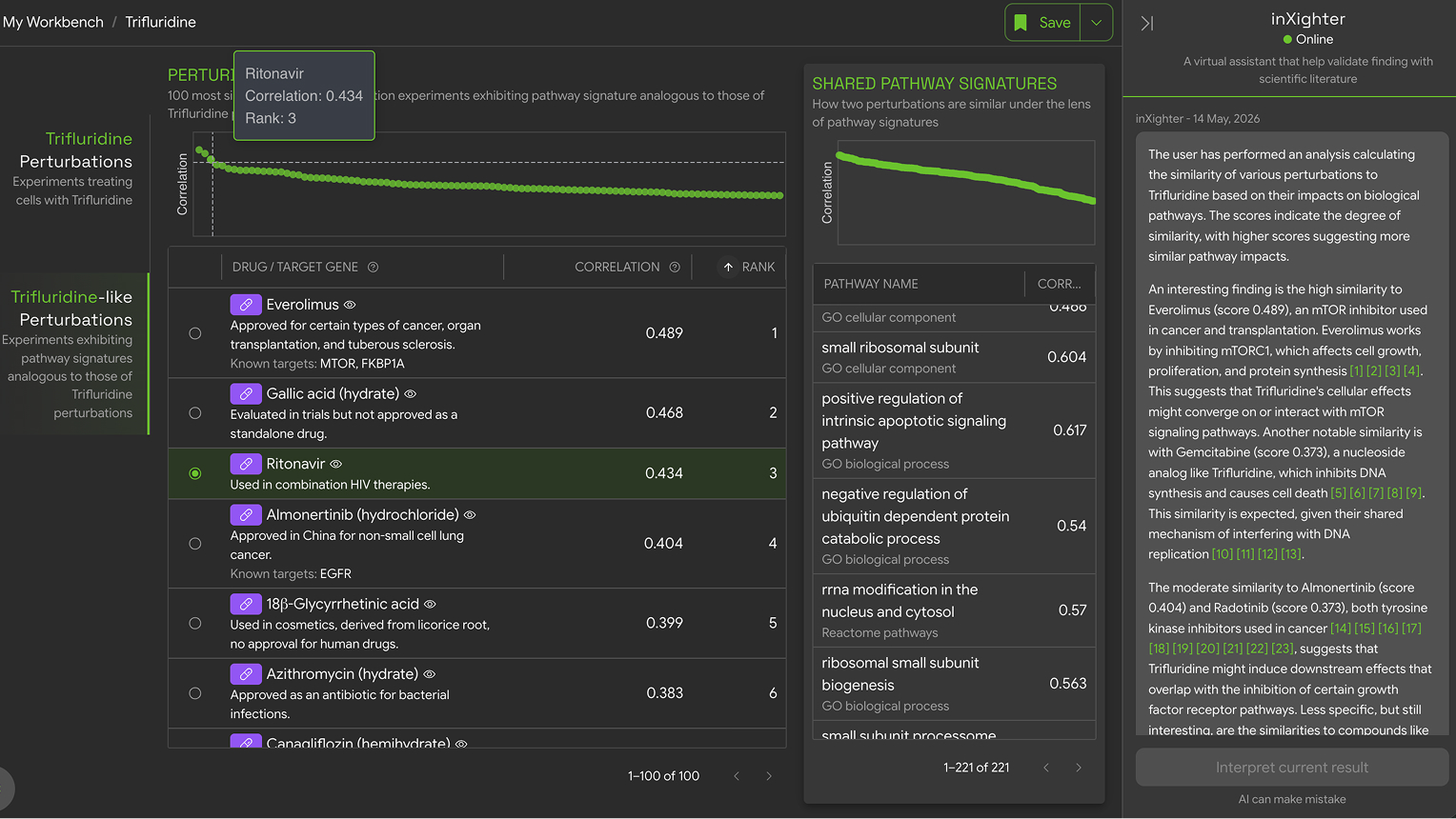
protoXell combines curated perturbation data, comparative analytics, AI-powered interpretation, and enterprise deployment flexibility into a unified scientific workflow.
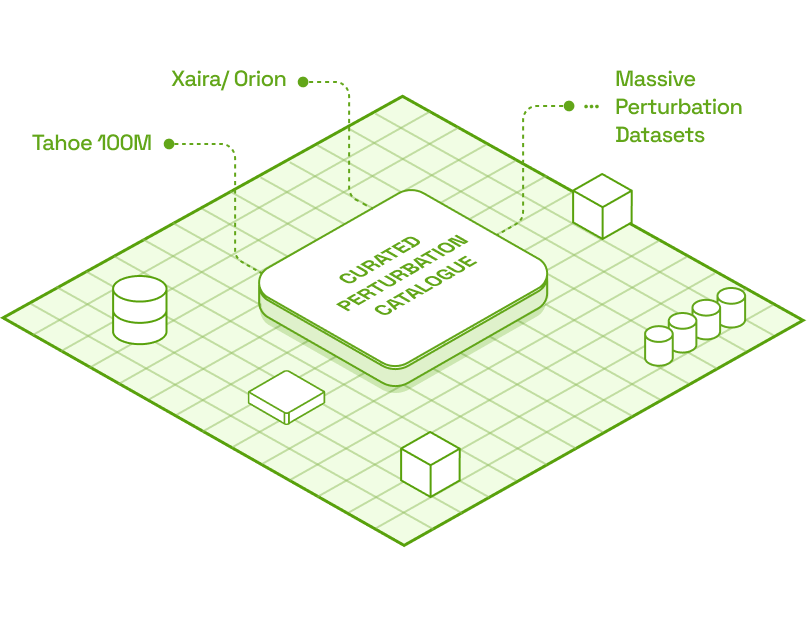
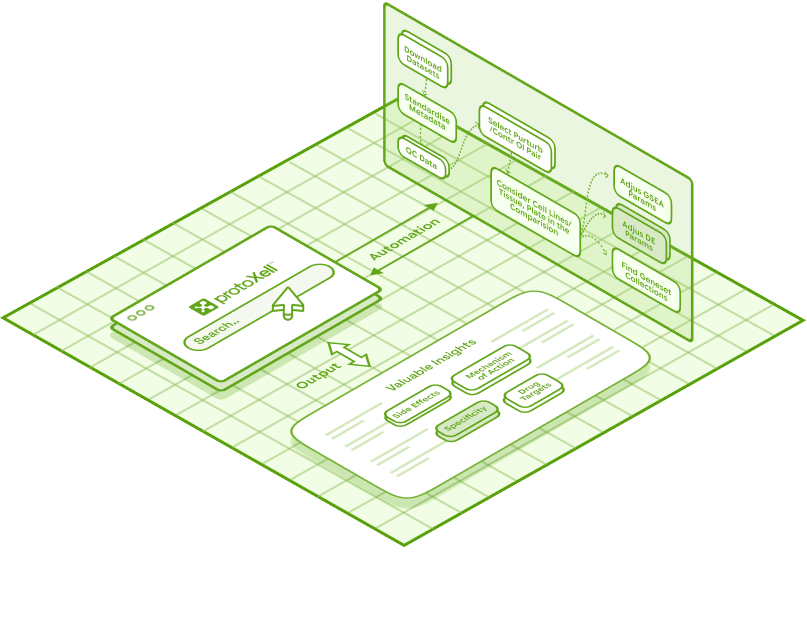

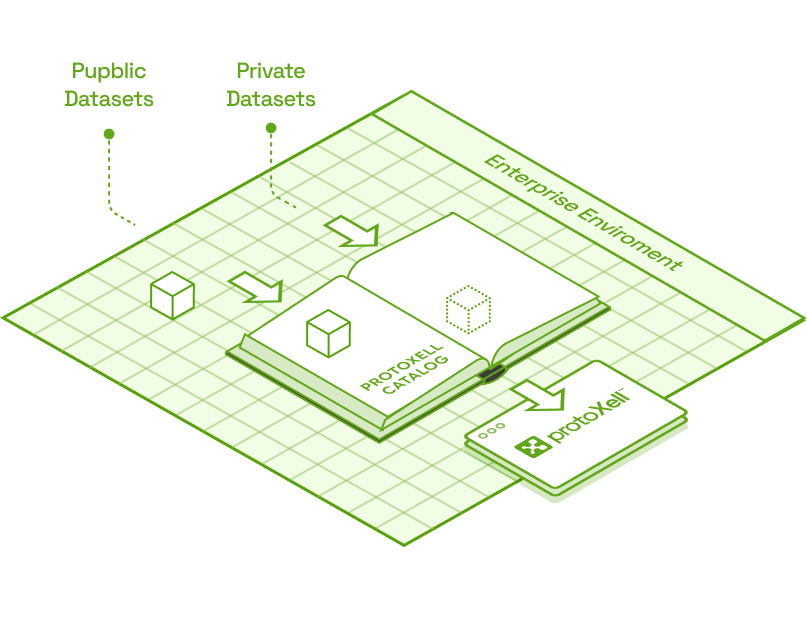

At the intersection of data access, comparative analysis, and AI-driven interpretation, protoXell enables a new mode of discovery—where researchers can move seamlessly from perturbation data to mechanistic insight.
This unified system connects diverse data sources to biological understanding, supporting hypothesis generation, target discovery, and decision-making.
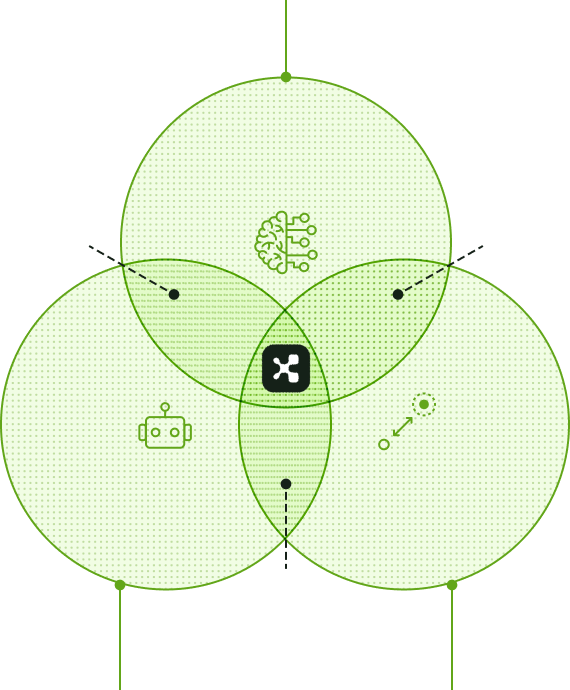
This unified system connects diverse data sources to biological understanding, supporting hypothesis generation, target discovery, and decision-making.


New scientific software enables researchers to explore chemical and genetic perturbations, accelerating target discovery and drug repurposing MOUNTAIN VIEW, CA – May 19, 2026 – Addressing the persistent challenge scientists face in transforming complex biological perturbation data into actionable mechanistic insight, DataXight today announced protoXell, a new scientific software designed to streamline discovery. To learn more about protoXell and explore access options, visit https://dataxight.c

Summary Our benchmarking reveals a surprising truth: in the race to translate massive perturbation datasets into discovery, the most effective mathematical "lens" isn't the most complex one. While sophisticated metrics like Wasserstein or Mean Pairwise are often favored due to their mathematical impressiveness, we found that E-distance and Euclidean distance provide the superior balance of speed and signal resolution for high-throughput pipelines. By delivering sharper biological contrast at a

In this blog, we examine how the “perturbation effect” can vary depending on the metrics used to define it, and why these differences matter. While these metrics may appear interchangeable, they often capture fundamentally different aspects of the underlying biology. As Perturb-seq datasets continue to grow exponentially, understanding how perturbation effects are measured becomes critical for reliable downstream analysis. When suppression is not an on-off switch In 2025, Nadig and colleagues
Swipe to Explore